 Schedule a Tour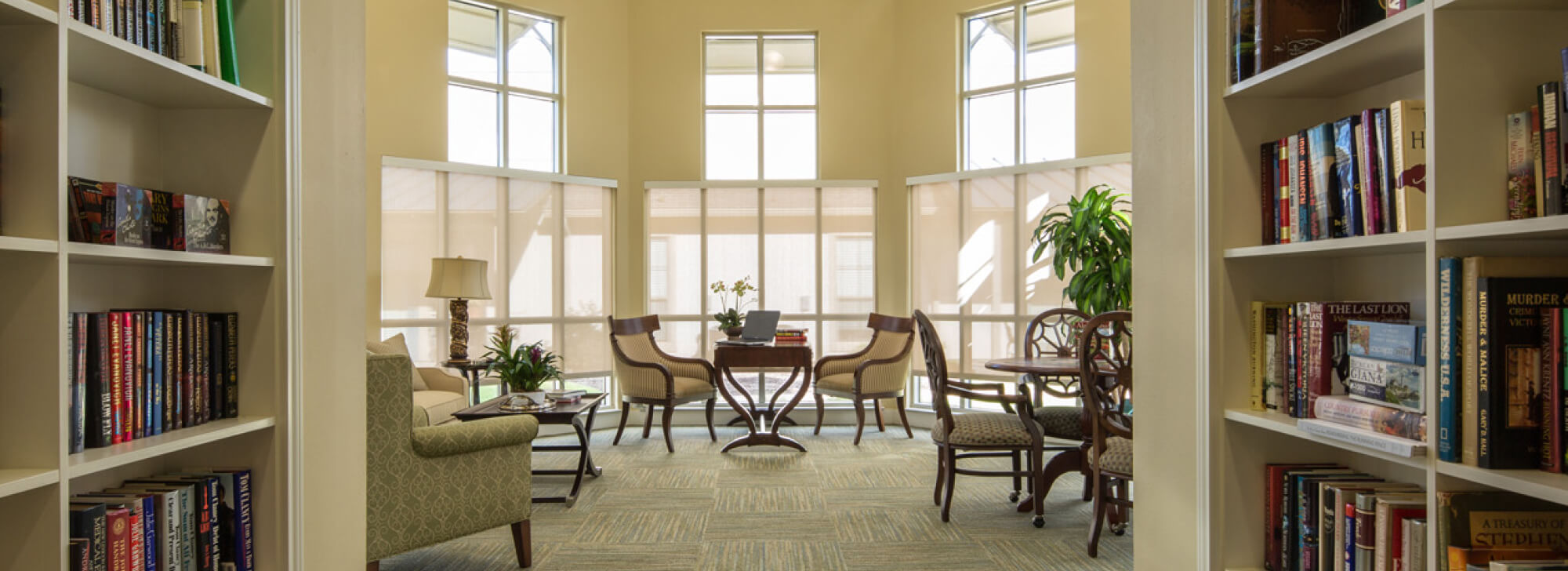
Village on the Park Onion Creek
Rehabilitation vs Nursing Home in South Austin: Helping Families Make a Confident Decision
In South Austin, especially around Onion Creek, life tends to move at a thoughtful pace. Neighbors know each other. Families stay connected. Decisions are rarely rushed unless they have to be.
A hospital stay can change that rhythm overnight.
Discharge planners begin discussing next steps. The words “rehab” and “skilled nursing” enter the conversation. Adult children feel pressure to act quickly while also trying to understand what their parent truly needs.
It can feel urgent and unclear at the same time.
Rehabilitation and nursing homes are often mentioned together, yet they serve very different purposes. Understanding those differences can help families make decisions calmly instead of reactively.
This guide will walk through:
- What post-acute rehabilitation is meant to accomplish
- What skilled nursing facilities provide
- How these two settings differ in purpose and length of stay
- What families typically consider once rehab ends
- When independent or assisted living may be the right next step
Rehabilitation vs Nursing Home: What’s the Real Difference?
Rehabilitation, often referred to as post-acute care, is short-term and recovery-focused. It helps someone regain strength, mobility, and function after surgery, illness, or injury. A nursing home, also known as a skilled nursing facility, provides ongoing medical supervision for individuals who require long-term clinical care.
The difference comes down to the goal. Rehabilitation aims for improvement and discharge. Skilled nursing supports individuals whose medical needs require continuous oversight.
Families in South Austin often hear both options during discharge planning, but the appropriate path depends on:
- Whether recovery is expected
- The person’s overall medical stability
- How long higher-level care will be necessary
Choosing the correct level of care matters. It prevents unnecessary long-term placement when someone may simply need time and therapy to recover.
What Is Post-Acute Rehabilitation and Who Is It For?
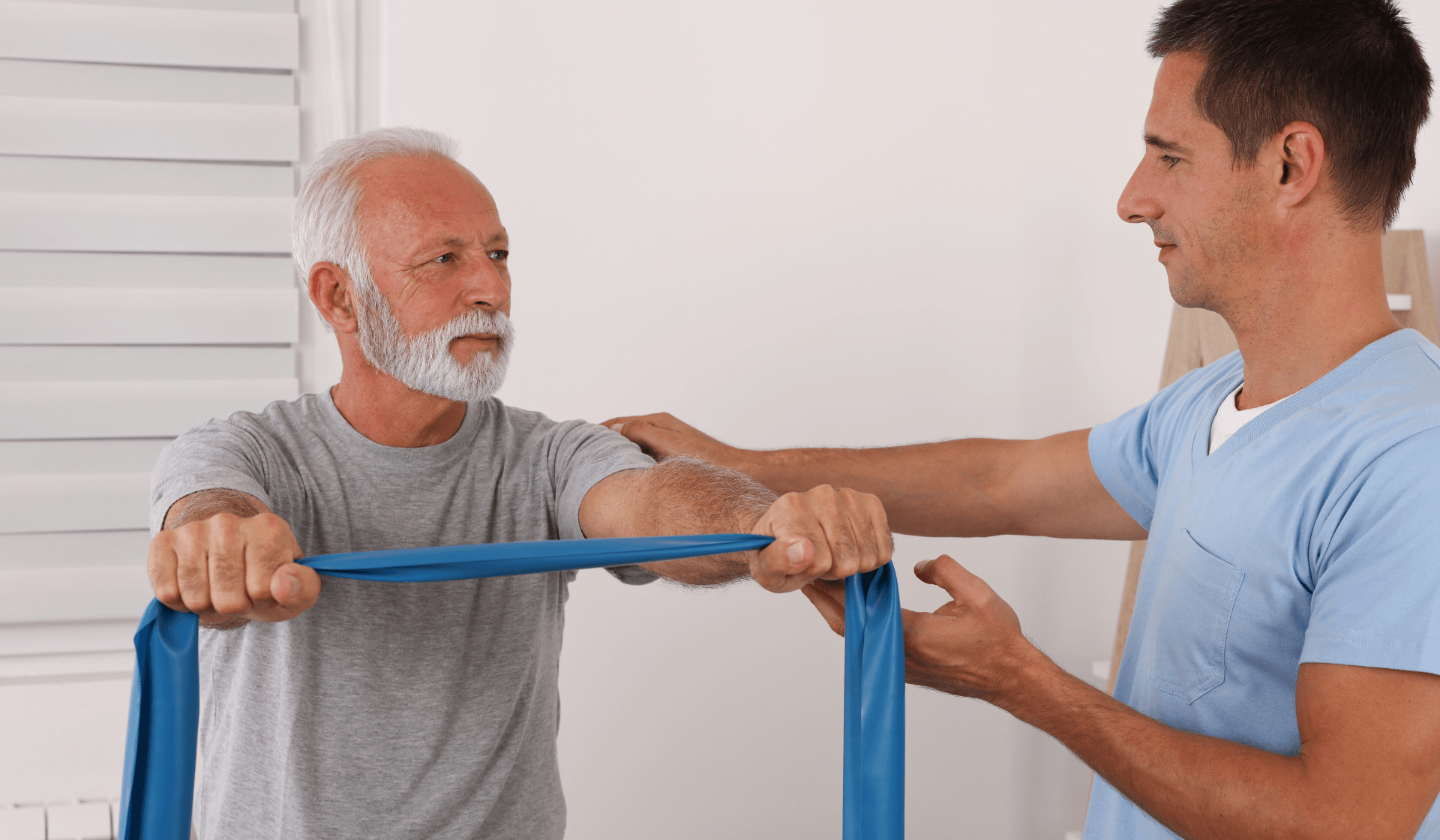
Post-acute rehabilitation provides short-term therapy combined with nursing support. It is structured, milestone-driven, and focused on helping individuals regain independence after hospitalization.
Rehabilitation typically includes:
- Scheduled physical, occupational, or speech therapy
- Regular monitoring of progress
- Temporary care plans with clear benchmarks
- Early discharge planning
- A goal of returning home or transitioning to a lower level of care
Rehab is transitional. It is not designed to be permanent housing.
Common Situations That Lead to Rehabilitation
Doctors often recommend rehabilitation in cases where improvement is realistic and measurable, including:
- Recovery following joint replacement or surgery
- Stroke or cardiac rehabilitation
- Rebuilding strength after a fall
- Short-term recovery from serious illness
- Situations where functional gains are expected with therapy
The emphasis remains on progress. Therapy teams measure improvement and adjust plans accordingly.
What Is a Nursing Home (Skilled Nursing Facility)?
A nursing home, or skilled nursing facility, provides 24-hour licensed nursing care for individuals with ongoing or complex medical needs. This setting is appropriate when medical oversight must remain consistent and continuous.
In a skilled nursing environment:
- Care is medically intensive
- Clinical monitoring is central to daily life
- Length of stay may be extended or indefinite
- Chronic or progressive conditions are managed long-term
In the Austin area, skilled nursing is typically recommended when recovery potential is limited or when medical supervision cannot safely be reduced.
Who Typically Requires Long-Term Skilled Nursing?
Long-term skilled nursing may be appropriate for individuals who:
- Have advanced or progressive health conditions
- Require frequent medical interventions
- Cannot safely manage daily tasks independently
- Need consistent nursing oversight
It is important to distinguish between medical facilities and residential senior living communities. One centers on clinical care; the other centers on daily life and support.
Rehabilitation vs Nursing Home Care: A Side-by-Side Overview
For families who appreciate clarity, here is a simplified comparison chart:
| Category | Rehabilitation (Post-Acute Care) | Nursing Home (Skilled Nursing) |
| Primary Purpose | Short-term recovery | Long-term medical care |
| Length of Stay | Temporary | Often extended |
| Medical Intensity | Recovery-focused | Ongoing clinical supervision |
| Therapy Services | Frequent and structured | Limited or maintenance-based |
| Living Environment | Transitional and clinical | Medical-focused |
| Discharge Goal | Return home or lower care | Continued medical oversight |
| Best Fit For | Individuals expected to improve | Individuals with complex needs |
Many individuals complete rehabilitation successfully. The next conversation often becomes about long-term living arrangements.
What Happens After Rehabilitation?
Once therapy goals are met and medical stability is achieved, families pause and reassess.
Questions often include:
- Is returning home realistic and safe?
- Is skilled nursing still necessary?
- Would independent living provide convenience and community?
- Would assisted living offer the right level of daily support?
Independent living may work well for someone who is medically stable and fully independent but wants a maintenance-free lifestyle with social connection.
Assisted living may be appropriate when medication management, help with daily tasks, or added supervision improves safety and confidence.
These decisions are rarely just clinical. They are emotional, involving independence, identity, and timing.
Learn more:
How Village on the Park Onion Creek Supports the Next Chapter
Village on the Park Onion Creek does not provide rehabilitation or skilled nursing. However, it frequently welcomes residents who are medically stable and ready for a more residential, relationship-centered environment.
What makes this South Austin community unique is its culture. It is warm. It is cozy. It is personal.
Families often say they feel the difference immediately. The warmth of the team, the welcoming atmosphere, and the absence of institutional energy is palatable. Residents are known by name. Conversations are real. Support is individualized.
Village on the Park Onion Creek offers:
- Flexible living options that respect independence
- Transparent pricing that builds trust
- A relationship-driven culture
- Engaged lifestyle programming
- A setting that feels like home
It is not about managing residents. It is about building relationships.
For many adult daughters in South Austin, especially those balancing career growth and caregiving, that trust matters deeply. They want consistency, accountability, and a partner in care.
How Do South Austin Families Decide What’s Right?
There is no single formula. However, thoughtful families often consider:
- Has medical stability been achieved after rehab?
- Are therapy goals complete?
- Can daily tasks be managed safely at home?
- Is ongoing medical supervision required?
- Would social connection improve quality of life?
It is normal to wonder if it is too soon. It is also common to wait until a crisis forces the move.
In South Austin, many families prefer to plan before urgency removes choice. Prioritizing safety, independence, and long-term comfort creates peace of mind for everyone involved.
Understanding Senior Care Options in South Austin
Rehabilitation supports short-term recovery.
Nursing homes provide ongoing medical care.
Independent and assisted living offer residential support once health stabilizes.
Village on the Park Onion Creek stands as a trusted South Austin resource. It is a genuine community built on relationships, warmth, and continuity.
If you would like to explore Independent Living or Assisted Living options, schedule a tour, or simply ask questions about what may be appropriate for your loved one in Austin, TX, call (737) 255-8826.
FAQ
Can someone skip rehab and go directly to assisted living?
Yes, in some cases. If a physician determines that intensive therapy is not required and the individual is medically stable, assisted living may be appropriate without a rehab stay.
What happens if recovery slows during rehabilitation?
Care teams reassess progress. If improvement plateaus, families may discuss whether skilled nursing or a residential option better meets long-term needs.
Is independent living appropriate after rehabilitation?
Independent living may work well if the individual is fully independent and medically stable but prefers a maintenance-free lifestyle with social engagement.
Helpful Links for Senior Living
- Assisted Living in Austin, TX
- Independent Living in Austin, TX
Related Reading
- Remote Patient Monitoring Available at Assisted Living Community in South Austin, TX
- Less Maintenance, More Moments: The Lifestyle Perks offered by a Senior Living Community
- The Power of Community: Healthier Aging through Social Connection in Senior Living
Village on the Park Onion Creek is proudly part of The Aspenwood Company’s Senior Living family. Our senior living community in Austin, TX offers Independent Living and Assisted Living designed to support independence, comfort, and meaningful connection. With beautifully appointed residences, engaging activities, and personalized services, we reflect The Aspenwood Company’s commitment to helping every resident Live Life Well®. We are proud that the following communities are also part of The Aspenwood Company’s senior living family: Village on the Park Stonebridge Ranch, Village on the Park Plano, The Doliver of Tanglewood, The Village of the Heights, Village on the Park Denton, The Village of Meyerland, Village on the Park Bentonville, Wood Glen Court, Spring Creek Village, Village on the Park Rogers, The Village at the Triangle, Village on the Park Onion Creek, Heartis Mid Cities, and Village on the Park McKinney. No matter which community you choose, our shared goal is to help each resident feel safe, valued, and at home.